




Blog Detail What Is Kueh? A Warm Guide to Southeast Asia’s Heritage Bite-Sized Snacks
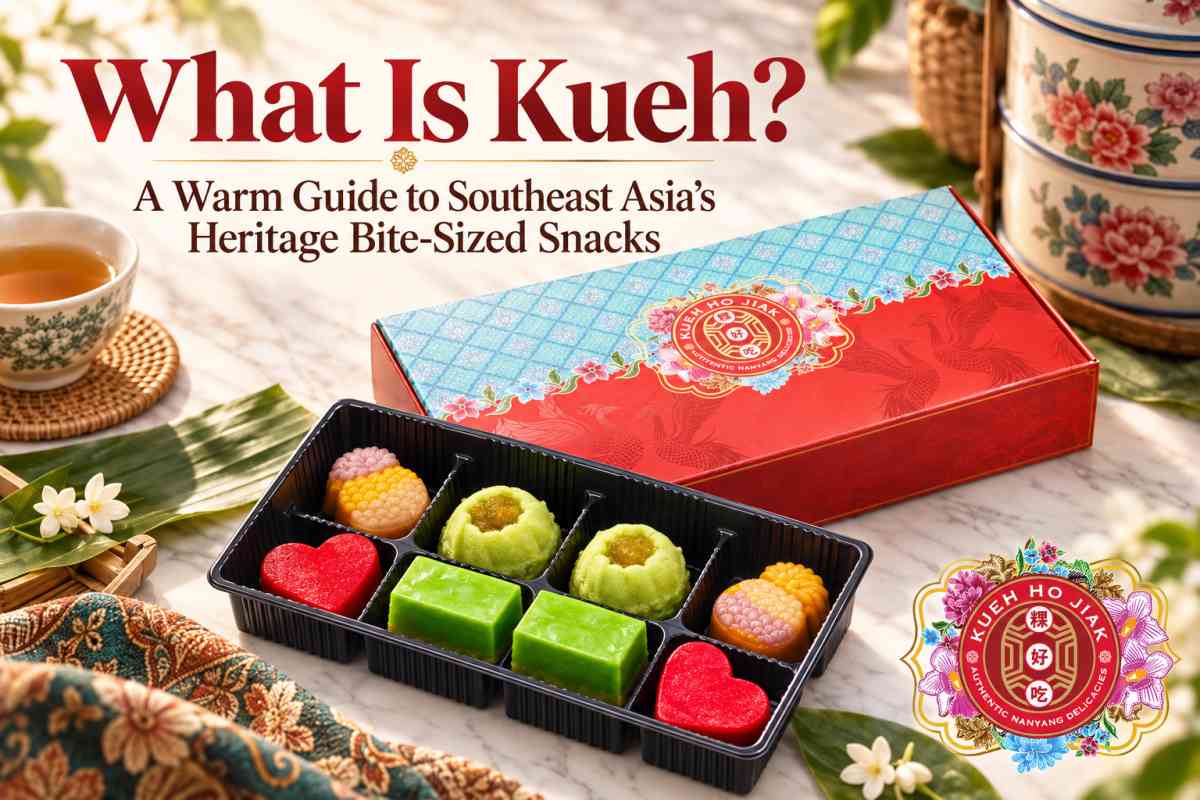
If you have ever wandered through a morning market in Singapore, Malaysia, or Indonesia and spotted trays of jewel-toned, leaf-wrapped treats that look almost too pretty to eat, you have already met kueh.
These colourful, lovingly handcrafted morsels sit at the very heart of southeast asian cuisine, and every bite carries the weight of centuries-old tradition, family love, and celebration.
Table of Contents
Key Takeaways
- Kueh refers to a broad family of bite-sized snacks, desserts, and pastry items found across Southeast Asia- especially in Singapore, Malaysia, and Indonesia-made primarily from rice flour, glutinous rice flour, coconut milk, pandan, and palm sugar.
- Traditional kueh is handcrafted, often from family recipes passed down through generations, and is deeply tied to festive celebrations, meaningful gifting, and everyday community life.
- Kueh is distinct from Western cakes: it is often steamed rather than baked, features dense, chewy, wobbly, or soft textures, and balances sweet and savoury notes using natural ingredients.
- Iconic varieties-kueh lapis, ang ku kueh, kuih talam, onde-onde-each carry cultural symbolism and are essential to milestones like Lunar New Year, Hari Raya, and baby full-month celebrations.
- At Kueh Ho Jiak, we are proud to preserve this heritage one handmade kueh at a time, using natural ingredients and time-honoured techniques for gifting, catering, workshops, and daily enjoyment.
What Does “Kueh” Refer To?
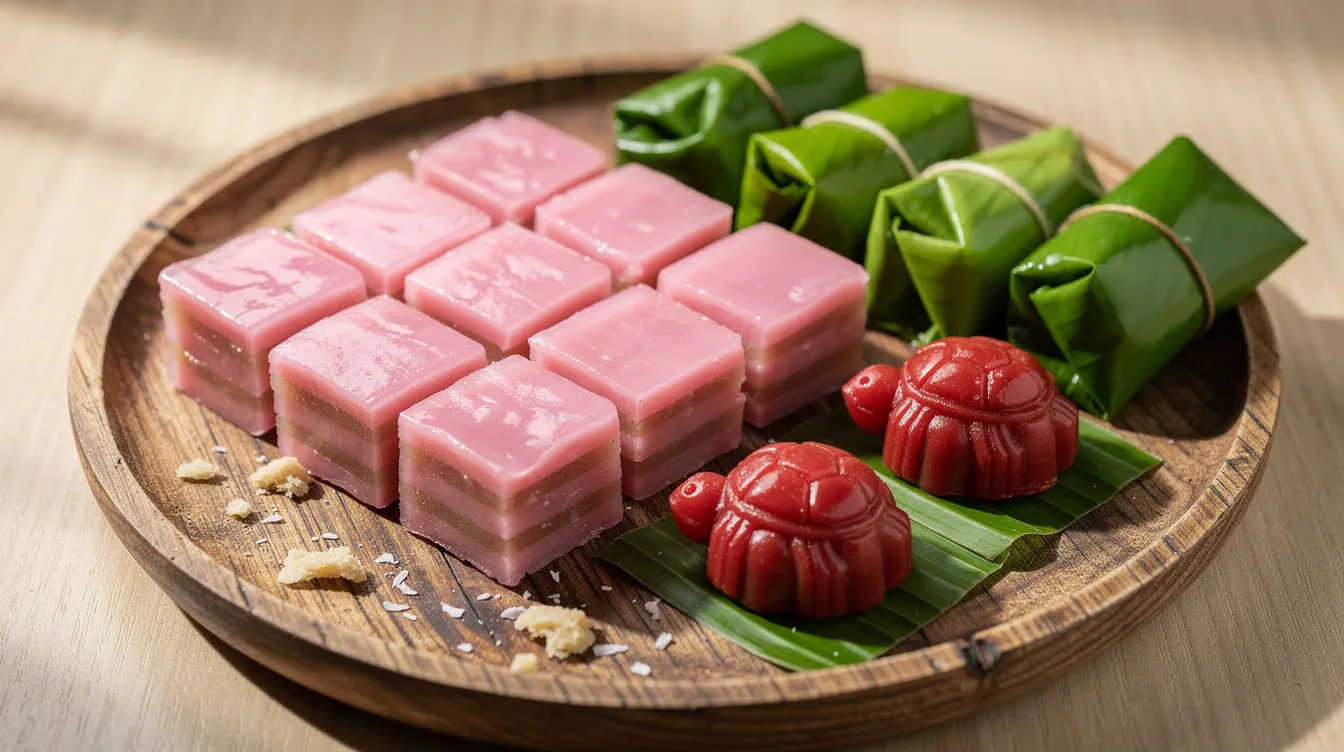
In its simplest terms, kueh refers to a broad category of bite-sized snacks, desserts, or pastries enjoyed across Southeast Asia. Whether sweet or savoury, soft or chewy, wrapped in a leaf or pressed into a mould, kueh is a word that opens up an entire universe of flavours, textures, and traditions.
You will see different spellings depending on where you are: kueh in Singapore, kuih in Malaysia, and kue in Indonesia. Despite the spelling variations, they all describe similar kueh traditions rooted in shared heritage, ingredients, and techniques.
Kueh is deeply rooted in Malay and Peranakan cultures, as well as Chinese and Indian communities throughout the region.
While many think of kueh as a snack or dessert, locals eat it at every daypart-as breakfast with kopi, an afternoon nibble with teh, or a late-night comfort. Typical shapes and textures range from bouncy and wobbly to layered and dense.
Many pieces are wrapped in banana leaves or pressed into intricate wooden moulds, arriving at the table looking as beautiful as they taste.
Origins and History of Kueh in Southeast Asia
Kueh has origins tracing back to the 15th century, when maritime trade routes through Malacca, Penang, and Batavia connected the flavours of distant lands. The word itself traces back to the Chinese character 粿, pronounced koé in Hokkien, meaning rice cake.
Southern Chinese migrants-Hokkien and Teochew speakers-carried their steamed rice cake traditions into Southeast Asia, where they encountered indigenous ingredients like coconut, pandan leaves, and gula melaka.
The evolution of kueh showcases cultural fusion among Chinese and local ingredients. Indian spice traders, Malay culinary traditions, and later European colonial influences (eggs, baking techniques) all left their mark.
Kueh showcases distinct influences from Malay, Indonesian, and Peranakan cultures, resulting in a spectrum of recipes as diverse as the region itself.
In early 20th-century Singapore, shophouse bakeries and Nyonya households in Penang and Melaka became celebrated hubs for hybrid kueh recipes.
Despite modernisation, kueh remained a humble, everyday bite-sized snack at wet markets, kopitiams, and home kitchens-proof that the best traditions survive because they are loved, not because they are protected.
Key Ingredients and Textures that Define Traditional Kueh
Unlike Western cakes that rely heavily on wheat flour, butter, and refined sugar, traditional kueh is built on a foundation of rice, glutinous rice, and tapioca flours.
Kueh is typically made from glutinous rice flour, and kueh typically uses glutinous rice as a key ingredient-starches that produce the signature soft, springy, or chewy textures that set kueh apart from anything in a Western bakery.
Core starches and textures:
| Ingredient | Texture it creates |
| Rice flour | Smooth, firm, slightly crumbly |
| Glutinous rice flour | Chewy, elastic, sticky |
| Tapioca flour | Bouncy, translucent, wobbly |
| Sago / grated cassava | Dense, moist, pudding-like |
Traditional kueh feature dense, chewy, wobbly, or soft textures-sometimes all within a single piece. The rice flour batter is enriched with coconut milk for richness and fragrance, while grated coconut and shredded coconut add textural contrast.
Gula melaka lends its signature smoky, caramel sweetness, and pandan leaves provide a leafy-vanilla aroma and natural green colour. Many kueh are served on pandan leaves for fragrance, and natural colourings from butterfly pea flower or sweet potato keep the palette vivid without artificial dyes.
Most traditional kueh are naturally gluten-free and slightly sweet, designed to be satisfying in just a few bites. At Kueh Ho Jiak, we champion these natural ingredients and handmade textures, choosing heritage over shortcuts every time.
How Is Kueh Different from Western Cakes and Pastries?
Think of kueh as the artisanal, ritual-rich counterpart to Western pastries-deeply tied to seasons, celebrations, and hospitality. Kueh has a chewy and soft texture, unlike Western desserts, which typically aim for light, airy crumbs.
Kueh is often steamed, while Western desserts are usually baked, and that steaming process is what gives kueh its characteristic moist, bouncy bite.
Kueh can be sweet or savoury, unlike most Western desserts. A single platter might feature salty coconut cream layered over a pandan base alongside pieces filled with smoky palm sugar-a sweet-savoury interplay that Western baked goods rarely explore.
Techniques like slow steaming, layered pouring, and banana leaf wrapping impart fragrance and character you simply cannot replicate in an oven.
Culturally, kueh is shared from communal trays at family gatherings, offices, and celebrations. A colourful spread of mixed kueh at a Singaporean event is a gesture of warmth and generosity-quite different from individual plated Western desserts.
Types of Kueh: From Everyday Snacks to Festive Icons
Southeast Asia has hundreds of kueh varieties, and kueh reflects the culinary vibrancy of local cultures through its diverse shapes, colours, and flavours. A few classics, however, appear on almost every Singaporean kueh platter.
Below, we spotlight the ones you are most likely to encounter-and the ones we at Kueh Ho Jiak lovingly handcraft in our assortments for gifting, events, and daily treats.
Kueh Lapis (Nine-Layer Cake)
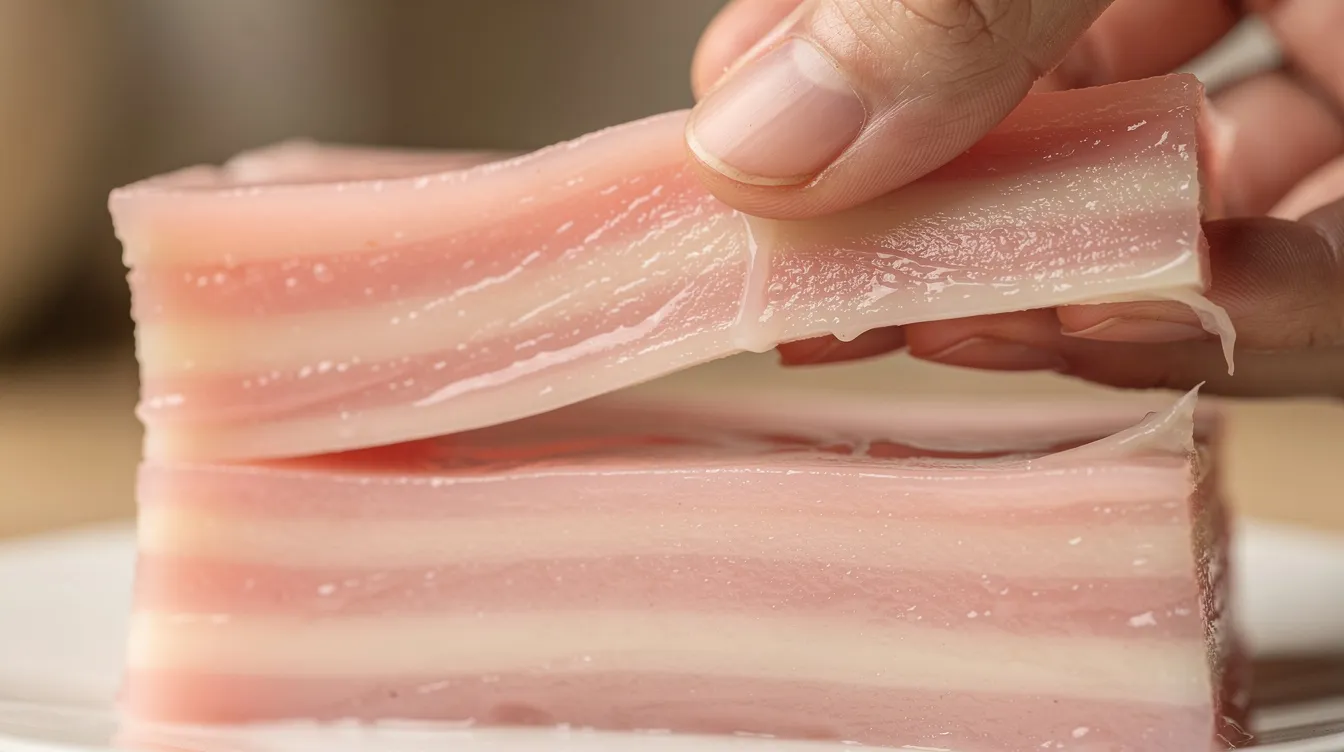
Kueh lapis is a classic layered steamed cake-sometimes called the nine-layer cake made from rice flour, tapioca flour, coconut milk, sugar, and natural colourings. Kueh Lapis has eight steamed layers of rice pudding, each poured and steamed individually in a process that demands patience and precision.
Kueh Lapis has eight layers and is steamed layer by layer, with colours alternating between white and pink or green, symbolising abundance and joy at Southeast Asian celebrations.
The fun of kueh lapis lies in peeling and eating it layer by layer-a ritual especially beloved by children at family gatherings.
Many modern artisans now use natural plant-based dyes instead of artificial colours, honouring tradition while elevating quality. While some describe it as having nine layers, the exact number can vary by family recipe.
Kuih Talam / Talam Pandan
Kuih talam is a beloved two-layer kueh: a fragrant green pandan base beneath a lightly salted coconut milk top. The bottom layer delivers gentle sweetness from palm sugar and pandan, while the top provides a creamy, salty counterpoint made with coconut cream.
This sweet–salty balance makes it a quintessential Southeast Asian snack or dessert, often served in small rectangular pieces.
Kuih talam is a fixture on festive tables during Hari Raya, Eid al Fitr, weddings, and office celebrations across Malaysia and Singapore. Its neat green-and-white squares with a glossy custard top make it one of the most visually refined pieces on any kueh platter.
Ang Ku Kueh (Red Tortoise Cake)
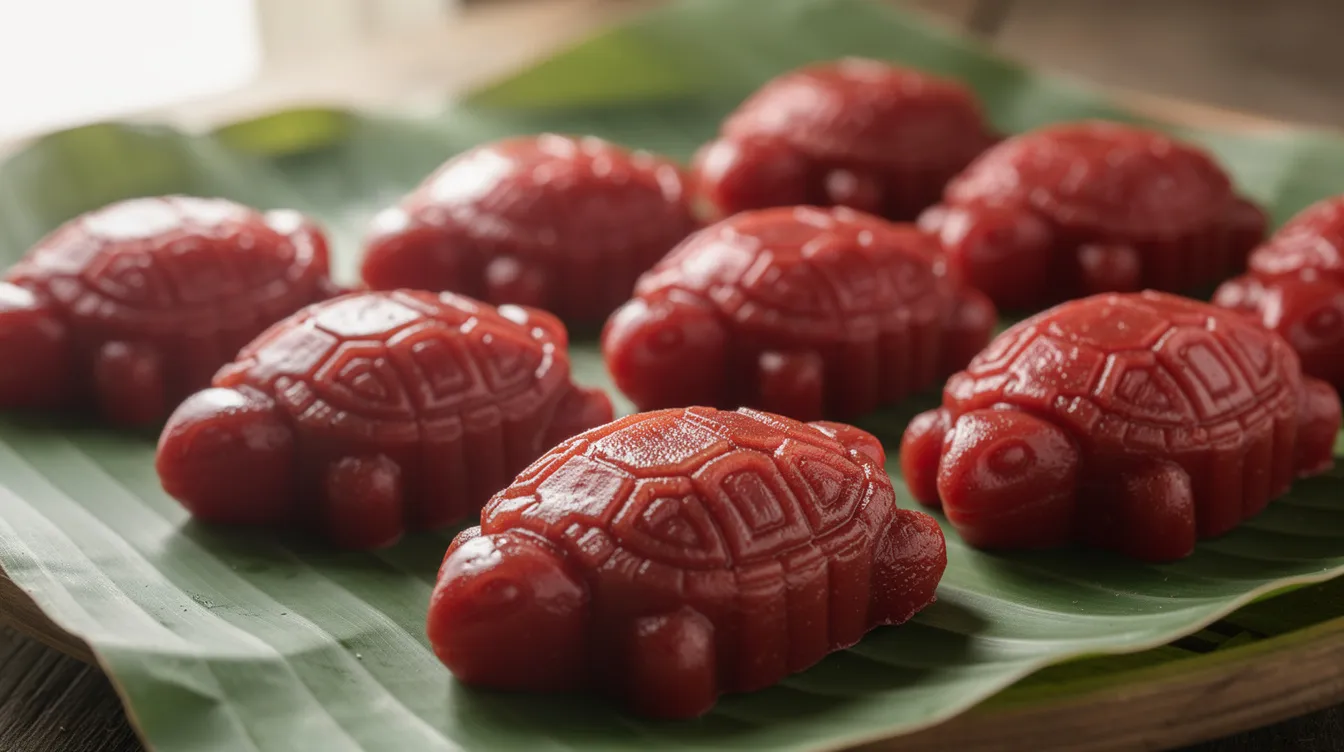
Ang ku kueh is shaped like a tortoise and symbolises prosperity- a glutinous rice skin moulded into an intricate tortoise-shell pattern, traditionally bright red, and filled with sweet mung bean, ground peanuts, or black sesame seeds. Kueh can also be filled with ingredients like red beans or peanuts, depending on the maker’s family tradition.
With Hokkien roots, ang ku kueh holds deep auspicious symbolism in Chinese traditions: the tortoise shape represents longevity, while the red colour signifies good fortune. It plays a special role in Singaporean milestones such as baby full-month (man yue) celebrations, Lunar New Year, and temple offerings.
At Kueh Ho Jiak, we carefully hand-press each piece in wooden moulds to achieve those intricate shell patterns and a tender, chewy skin that honours the craft of one generation after another.
Serimuka and Glutinous Rice Kueh
Serimuka is a layered nyonya kueh with a base of steamed glutinous rice-lightly salted and pressed firm-topped with a smooth, wobbling pandan custard. The contrast between the sticky, savoury rice and the sweet, fragrant custard is what makes serimuka unforgettable.
Related varieties include pulut inti, with its rich coconut topping, and Pulut Tai Tai, a compressed glutinous rice cake tinted blue with butterfly pea flowers and served with kaya.
These kueh showcase the key southeast asian trio-steamed glutinous rice, coconut, and palm sugar-and pair beautifully with kopi or teh. They are favourite items for corporate tea breaks and premium kueh platters alike.
Other Beloved Traditional Kueh
The world of kueh extends far beyond the classics above. Kueh dadar wraps a soft pandan crêpe around a filling of grated coconut simmered in gula melaka. Kosui, a palm sugar rice cake, is topped with freshly grated coconut for a subtle, slightly sweet finish.
Huat kueh-steamed prosperity cakes with their signature split tops-is used as a prayer offering for bountiful harvests and is a must-have during festive seasons.
Ondeh-Ondeh are glutinous rice balls filled with palm sugar and rolled in grated coconut-a beloved treat across Malay and Nyonya kitchens. A mixed kueh platter remains the best way for newcomers to taste the diversity at one go-sweet and savoury, chewy and soft, colourful and fragrant, all on the same tray.
How Kueh Is Made: Time, Handcraft, and Heritage
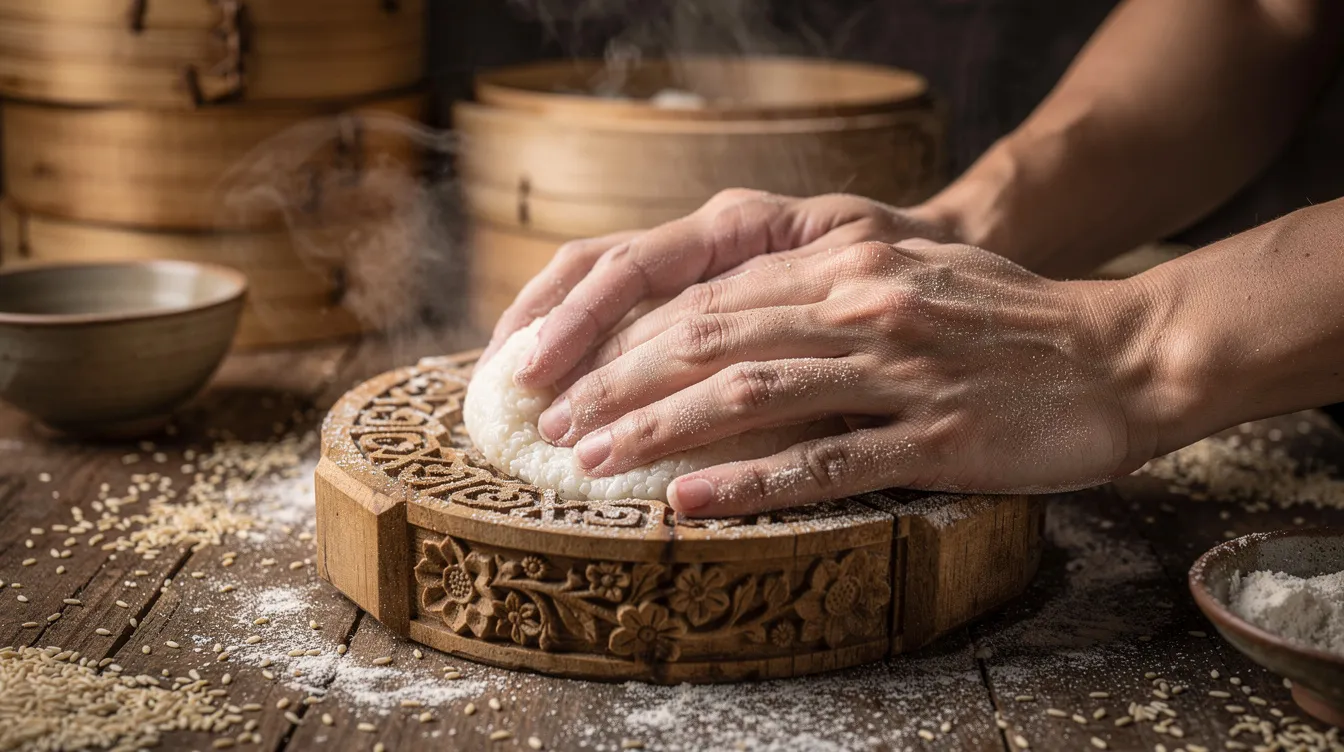
Picture a kitchen before dawn in Singapore: rice soaking in water, pandan leaves being pounded for juice, and a steamer hissing steadily. Kueh is traditionally made by steaming, frying, or baking, and kueh is prepared using laborious techniques to achieve intricate designs that honour generations of knowledge.
Steaming is the primary method for most layered and custard-style kueh, preserving moisture and delivering that signature soft crumb. Some pieces, like Kueh Bingka, which is a steamed-then-baked tapioca pudding, combine methods.
Others are pan-fried, grilled on banana leaves, or slow-cooked: dodol is slow-cooked for up to 12 hours, while kueh bakul must be steamed for at least 10 hours to achieve its dense, sticky sweetness. Kueh Bakul symbolises prosperity during Chinese New Year, making that patience deeply meaningful.
Traditional kueh recipes are often passed down generations, and kueh is often made by women using approximate measurements-the Malay concept of agak-agak, or cooking by feel.
Preparing kueh is a communal activity that fosters family ties, gathering mothers, aunties, and daughters around a shared table. Kueh is often made using traditional family recipes passed down through generations.
At Kueh Ho Jiak, we uphold this craft daily, making kueh in small batches with traditional tools and moulds while meeting modern food safety standards. Every piece is a bridge between heritage and the hands that shape it today.
Kueh in Daily Life, Festivals, and Modern Singapore
Kueh is woven into daily southeast asian life in a way few other dishes can match. It is a common treat sold at morning markets, hawker centres, and cafes-eaten for breakfast, shared at office tea breaks, and offered at prayer altars.
Specific kueh are essential for celebrations and carry profound symbolism: ang ku kueh for longevity and blessings, huat kueh for prosperity, and kueh bakul for abundance at Chinese New Year.
Kueh is often made for religious and cultural celebrations, including Lunar New Year, Hari Raya Puasa, Deepavali, weddings, and baby full-month rituals.
Kueh symbolises longevity and prosperity in Chinese traditions, and similar meanings resonate in Malay and Indonesian communities during Eid al-Fitr and harvest festivals.
Urbanisation and global tastes once threatened kueh’s relevance, but a heartening revival is underway. In 2019, Singapore’s National Heritage Board inscribed kueh as Intangible Cultural Heritage, recognising its traditional methods, community practices, and ingredients.
At Kueh Ho Jiak, we are proud to be part of this revival-focused on meaningful gifting, workshop experiences, and corporate catering that keep kueh stories alive for the next generation.
Where to Find and Enjoy Kueh Today
Whether you are in Singapore, Kuala Lumpur, Jakarta, or further afield, authentic kueh is never far away if you know where to look. In Singapore, hawker centres like Tiong Bahru Market, heartland bakeries, and speciality kueh shops remain the best sources.
In Malaysia and Indonesia, morning markets and Nyonya restaurants in Penang, Melaka, and beyond serve similar varieties of kueh rooted in local tradition.
Abroad, kueh can sometimes be found in Asian supermarkets, weekend markets, and southeast asian restaurants in cities like London, Sydney, and New York.
The best way to enjoy kueh is the way locals do: as a breakfast companion to kopi-o, an afternoon nibble with jasmine tea, or a colourful dessert platter at parties, corporate events, and festive hampers.
At Kueh Ho Jiak, we offer curated boxes and trays ideal for gifting, office pantry treats, and celebrations-each one designed to introduce kueh to new audiences while honouring the recipes and stories behind every piece.
FAQ
Below are answers to common questions about kueh that go beyond what we have covered above.
Is kueh a snack or a dessert?
In Southeast Asian cuisine, kueh comfortably sits between snacks and desserts. Locals eat it for breakfast, mid-morning tea, after meals, and even at late-night suppers. Many varieties are not overly sweet-just slightly sweet with balanced savoury notes-making them suitable for any time of day. Try pairing kueh with kopi, teh tarik, or a light herbal tea to experience its versatility.
Is all kueh sweet, or are there savoury versions?
While many famous kueh are sweet, there are numerous savoury versions featuring ingredients like dried shrimp, grated coconut, shallots, and spices. Rempah udang (spiced shrimp rolls wrapped in banana leaf) and pulut panggang (grilled glutinous rice parcels) are beloved savoury examples. A well-balanced kueh platter in Singapore often mixes sweet and savoury pieces on the same tray, and that mixture is part of what makes the experience so satisfying.
Is kueh suitable for vegetarians or people with dietary restrictions?
Many traditional kueh are naturally vegetarian and gluten-free because they rely on rice flour, tapioca flour, coconut, and plant-based colourings rather than wheat flour. However, some recipes use eggs, dairy, or animal-based gelatine, so it is always wise to check labels or ask the maker. At Kueh Ho Jiak, we increasingly offer options tailored for specific dietary needs when requested in advance-because everyone deserves a seat at the kueh table.
How long does kueh keep, and how should it be stored?
Freshly made kueh is best eaten on the same day for optimal texture and fragrance, especially for steamed varieties rich in coconut milk. Store leftovers in an airtight container in the refrigerator for one to two days, and reheat gently by steaming to restore softness. Baked goods like kueh bangkit cookies last longer at room temperature. Avoid leaving coconut-rich kueh out for extended periods in tropical climates, as they can spoil quickly.
Can I learn to make kueh at home as a beginner?
Absolutely. Simple kueh like kueh kosui or kueh dadar are approachable for home cooks with basic steaming equipment. Start with one or two classic recipes, focusing on mastering batter texture and steaming time before moving to layered or moulded designs. Better yet, join a heritage kueh workshop-like those we run at Kueh Ho Jiak-where you can experience hands-on guidance, hear the stories behind each recipe, and discover that the joy of kueh is not just in the eating, but in the making.