



Blog Detail Most Beloved Types of Kueh in Singapore: A Heritage Guide to Traditional Delights
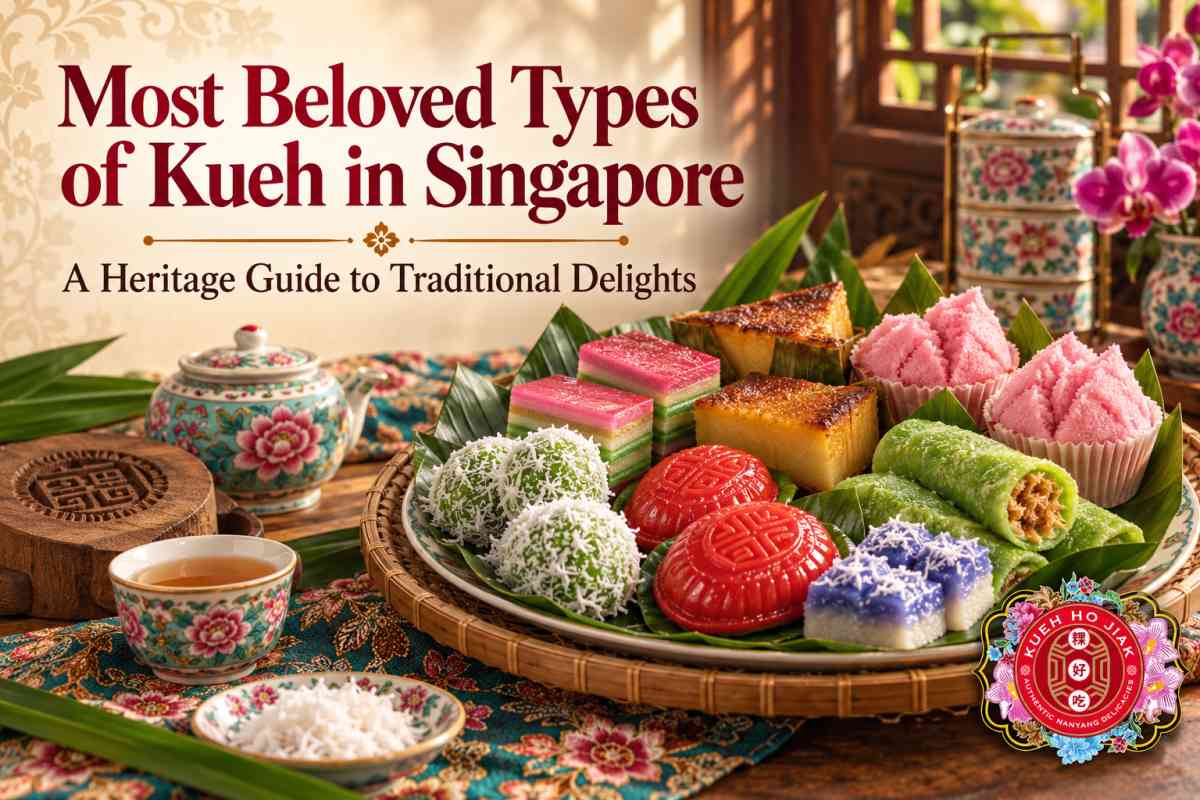
Few things capture Singapore’s soul quite like a tray of freshly made kueh. These bite-sized snacks or desserts are integral to Singapore’s culinary identity, carrying stories of migration, marriage, and shared meals across generations.
Kueh reflects Singapore’s multicultural heritage, including Malay, Peranakan, and Chinese influences, with origins tracing back to the 15th century when trade routes carried ingredients, techniques, and recipes across Southeast Asia.
Unlike Western cakes built on butter and cream, kueh are primarily made from rice flour, glutinous rice, or tapioca, and often incorporate coconut milk, pandan, and gula melaka for their signature fragrance and sweetness.
Kueh reflects culinary exchanges from trade and colonisation, a living record of how communities adapted and shared their foodways.
Kueh are celebrated for their rich flavours and colourful appearance, and they remain essential to festivals, religious prayers, ancestor worship, and everyday life.
Kueh are also among Singapore’s most meaningful sweet treats, exchanged between families and friends as gestures of goodwill. This guide walks you through the most beloved types of kueh in Singapore, helping you understand not just what they taste like, but what they mean.
Table of Contents
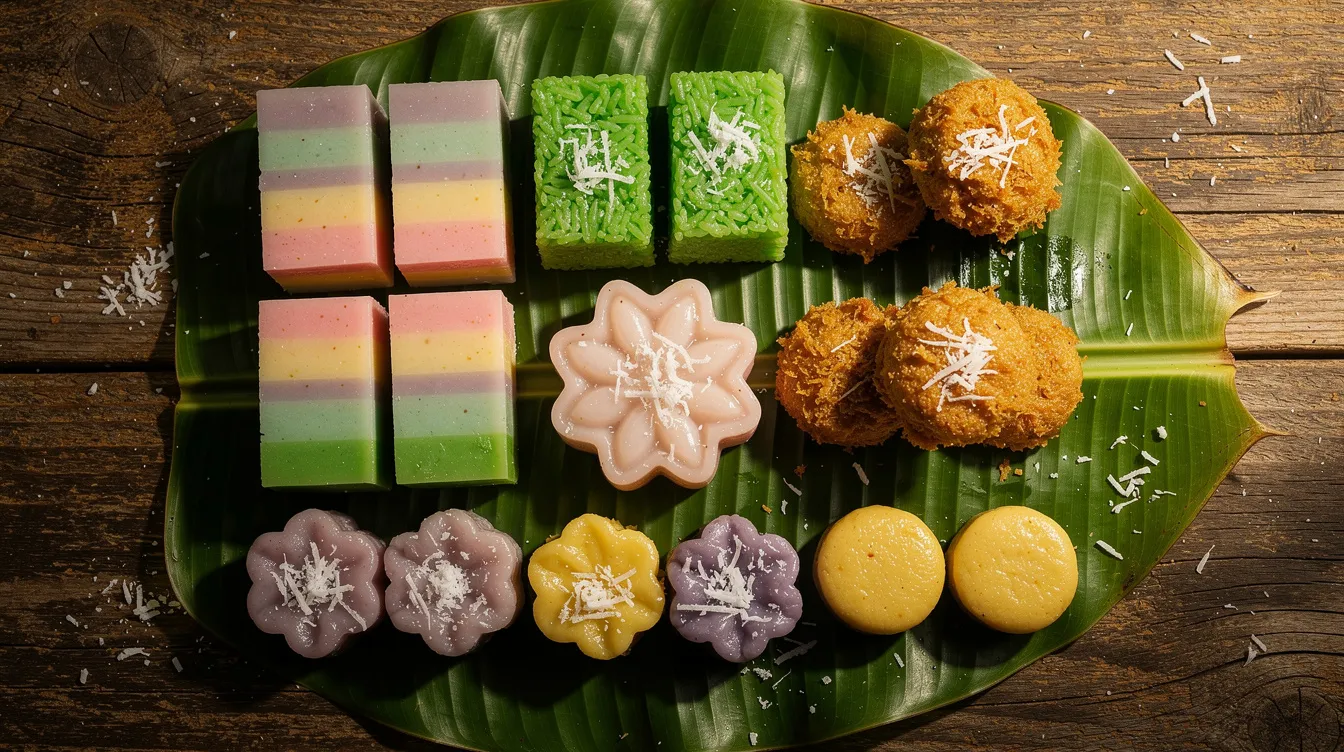
How We Chose Singapore’s Most Beloved Kueh
Selecting seven kueh from Singapore’s extraordinary repertoire is no simple task. Here is the criteria that guided our choices:
- Cultural significance and historical presence: Each kueh has deep roots in at least one of Singapore’s major communities and has been part of the island’s food heritage for generations.
- Popularity across communities: The best-loved kueh transcends ethnic boundaries. Nyonya kuehs blend Chinese baking techniques with indigenous Malay ingredients, and many traditional snacks are enjoyed by Singaporeans from all backgrounds.
- Availability: From hawker stalls and traditional markets to heritage bakeries and artisan shops, these kueh remain accessible to everyday Singaporeans.
- Unique flavours and textures: Each selection offers something distinctive to Singapore’s taste profile, whether it is the fragrance of pandan leaves, the richness of coconut cream, or the warmth of palm sugar.
- Role in celebrations and gifting: Traditional kueh are often exchanged during festive visits, representing harmony and prosperity, making them far more than ordinary snacks.
- Preservation of handmade techniques: We prioritised kueh where traditional nonya kueh craftsmanship and recipes still matter.
7 Most Beloved Types of Kueh in Singapore
1. Ang Ku Kueh
The sweet potato ang ku kueh, or red tortoise cake, is one of Singapore’s most recognisable rice cake varieties.
This small, vivid-red kueh is shaped like a tortoise and filled with mung beans (sometimes called green bean paste) or peanuts. Its glutinous rice flour skin is soft and slightly chewy, encasing a generous filling of sweet bean paste or sweet paste.
Each kueh is pressed using hand-carved wooden moulds that imprint a tortoise shell pattern, then steam-cooked on a square of banana leaf.
Why It Stands Out
Ang Ku Kueh is associated with long life and prosperity, making it among the most symbolically powerful kueh in Singapore. Its auspicious red colour and tortoise motif carry wishes for longevity, and it is traditionally bought in sets of twelve for blessings.
Best For
Baby full-month celebrations, deity offerings, birthdays, and Chinese New Year. It is also a thoughtful gift for elders and a respectful offering during religious prayers.
Key Strengths
- Rich cultural symbolism of longevity and prosperity
- Sweet mung bean or peanut sweet filling options
- Distinctive tortoise shell pattern and red colouring
- Chewy texture from the glutinous rice flour
Cultural Notes
Rooted in Hokkien heritage, ang ku kueh arrived with Southern Fujian migrants and became a staple at temples and family altars.
On a child’s first birthday, a larger version called Ka Ta Kueh may be used in stepping ceremonies, symbolising a smooth path ahead.
Heritage shops like Kueh Ho Jiak continue to hand-mould these kueh, preserving a craft that stretches back generations.

2. Kueh Lapis
Kueh lapis is the beloved nine-layer cake of Singapore, a rainbow of colourful layers steamed one at a time. This stunning kueh features alternating bands of pink, white, and sometimes orange-red, each made from rice flour, coconut milk, and sugar.
Kueh Lapis has nine layers and is steamed layer by layer, with a final top layer completing nine, a number of great significance.
Why It Stands Out
The sheer patience involved sets kueh lapis apart. Each thick layer must be individually steamed and set before the next is poured on top, making it one of the most labour-intensive kueh to produce. The result is a soft, pudding-like cake with a delicate coconut and pandan flavour.
Best For
Festive gatherings, Peranakan celebrations, and any occasion where presentation and tradition matter most. It also makes a beautiful gift.
Key Strengths
- Stunning visual colourful layers in pink, white, and orange-red
- Delicate coconut and pandan flavours
- Symbol of prosperity with nine auspicious layers
- Soft, peelable bottom layer to top layer texture
Cultural Notes
The number nine holds deep meaning in Chinese culture, representing fullness, completeness, and longevity.
Some refer to this kueh as “kow teng kueh” in dialect. It is related to the Indonesian thousand-layer cake (kueh lapis legit), though the Singaporean version is steamed rather than baked.
3. Ondeh Ondeh
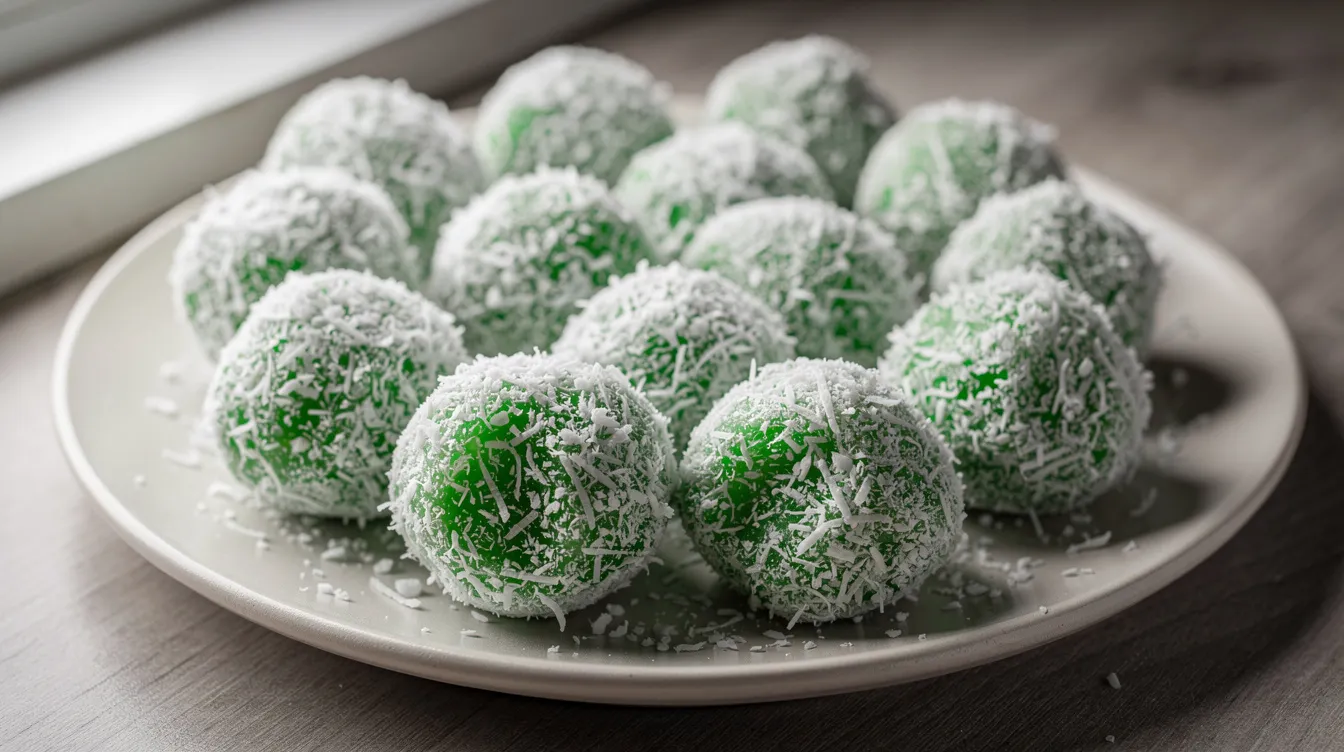
Ondeh ondeh are natural vibrant orange sweet potato glutinous rice balls rolled in freshly grated coconut, each hiding a molten centre of liquid gula melaka.
The skin gets its striking colour from orange sweet potatoes, and the entire kueh bursts with fragrance.
Why It Stands Out
The defining moment of ondeh ondeh is the “burst”-when you bite through the soft, chewy exterior and hot palm sugar floods your mouth. It is a sensory experience unlike any other kueh in Singapore.
Best For
Tea-time indulgence, casual snacking, and a joyful bite-sized snack to share with friends and family.
Key Strengths
- Vibrant orange and aroma from sweet potato
- Surprise liquid palm sugar centre
- Grated coconut coating adds textural contrast and fragrance
- Irresistible chewy texture
Cultural Notes
Ondeh ondeh draws from both Peranakan and Malay heritage. The key to enjoying them is popping each ball in one bite to avoid the gula melaka spilling out.
4. Kueh Dadar
Kueh dadar is a rolled crêpe with a palm-sugar filling: a paper-thin pandan crêpe wrapped around a generous mixture of freshly grated coconut cooked with brown sugar and gula melaka.
The result is an elegant, cigar-shaped roll that beautifully balances fragrance, sweetness, and texture.
Why It Stands Out
The delicate crepe wrapper, tinted green with natural pandan juice, contrasts with the warm, sticky coconut filling inside. It is a kueh that rewards careful handwork, and each roll is typically cooked individually.
Best For
An elegant afternoon snack, special occasions, and as part of a traditional Nonya kueh platter. It is also lovely alongside coffee or tea.
Key Strengths
- Paper-thin pandan crepe wrapper
- Sweet coconut and palm sugar filling
- Beautiful rolled presentation
- Balance of textures: silky wrapper, moist filling
Cultural Notes
Kueh dadar has Javanese origins and is enjoyed widely across Southeast Asia. In Singapore, it has been embraced by Peranakan and Malay communities alike. Both celebrate heritage kueh traditions such as kueh dadar in their modern Peranakan and heritage menus.
5. Pulut Tai Tai
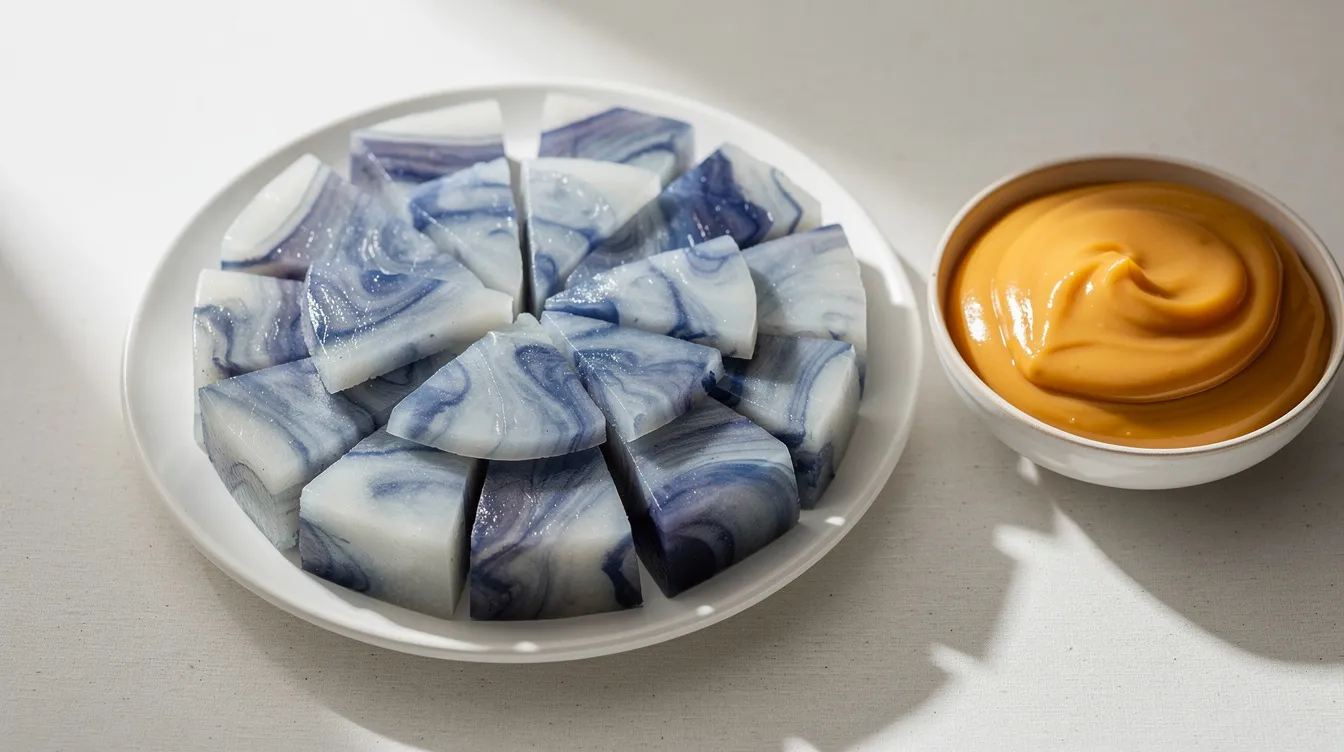
Pulut Tai Tai is a compressed glutinous rice cake, famous for its striking blue-and-white marbled appearance. The blue comes from butterfly pea flowers, and the steamed glutinous rice is pressed firmly before being sliced and traditionally served with a generous dollop of rich kaya (coconut egg custard).
Why It Stands Out
The vivid blue is entirely natural, and the pressing technique gives the glutinous rice a dense, satisfying firmness that sets it apart from loose steamed glutinous rice dishes. Topped with creamy kaya, it is an experience of colour, texture, and flavour that few kueh can match.
Best For
Breakfast treats, traditional tea sessions, and Peranakan wedding feasts.
Key Strengths
- Natural blue colouring from butterfly pea flowers with distinctive colours
- Rich, creamy kaya topping
- Dense, satisfying glutinous rice texture
- Visually stunning presentation
Cultural Notes
“Tai Tai” refers to the well-to-do Peranakan ladies who once graced elegant dining tables where this kueh appeared. The preparation is notably labour-intensive, requiring overnight soaking, steaming, and pressing, which is why Pulut Tai Tai is now rare in everyday hawker settings.
Bib Gourmand restaurant The Coconut Club, celebrated for its coconut-forward dishes, represents the kind of establishment keeping such heritage flavours alive.
6. Kueh Bingka
Kueh Bingka is a steamed-then-baked tapioca pudding that emerges from the oven with a golden-brown caramelised top and a moist, custard-like interior. It is made from grated tapioca, coconut milk, eggs, and sugar, yielding a distinctive sweet caramel taste and crisp edges that give way to a tender centre.
Why It Stands Out
While most kueh in Singapore are steamed, Kueh Bingka’s baking process creates a uniquely rich flavour and texture profile. The caramelised crust on top is irresistible.
Best For
Dessert courses, special celebration treats, and gifting. Its elegant appearance makes it suitable for more formal occasions.
Key Strengths
- Golden-brown caramelised top from the baking process
- Rich, moist texture from coconut milk and eggs, using tapioca flour
- Sweet, custard-like flavour profile
- Beautiful contrast between crisp top and soft interior
Cultural Notes
This Indonesian kueh has Banjarese origins from Borneo. Kueh Bengka was adopted by Malays and Straits-born Chinese, becoming a cherished part of Peranakan and Malay dessert traditions.
You may also encounter its close relative, bingka ubi, which uses sweet potato batter for a slightly different character.
7. Huat Kueh
Sweet Potato Gula Melaka Huat Kueh is a traditional steamed glutinous rice flour cake, a brown fragrant cake that puffs up during cooking and splits open at the top in a flower-like pattern. The split is essential: it symbolises growth, blooming, and prosperity.
Why It Stands Out
Huat Kueh symbolizes prosperity in Hokkien culture. The word “huat” means “to prosper,” making this one of the most auspicious steamed cakes in Singapore. Its light, fluffy texture and gentle sweetness make it universally loved.
Best For
Chinese New Year celebrations, religious offerings, and prosperity blessings for new homes and businesses.
Key Strengths
- Symbolising joy and celebration
- Light, fluffy steamed texture
- Strong cultural significance for prosperity
- Simple yet deeply meaningful
Cultural Notes
Originating from Southern Chinese “fa gao” traditions, Huat Kueh is made with flour, caster sugar or brown sugar, and a leavening agent. Some families maintain the superstition of avoiding certain words during preparation to ensure the cake splits properly.
It remains essential for Chinese New Year tables and temple offerings, a kueh where meaning and flavour are inseparable.
Quick Guide to Singapore’s Beloved Kueh
| Kueh | Key Flavour | Texture | Best Occasion | Cultural Meaning |
|---|---|---|---|---|
| Ang Ku Kueh | Mung bean, peanut | Soft, chewy | Birthdays, offerings | Longevity, prosperity |
| Kueh Lapis | Coconut, pandan | Layered, pudding-like | Festive gatherings | Completeness (nine layers) |
| Ondeh Ondeh | Gula melaka, pandan | Chewy, bursting | Tea time | Joy, togetherness |
| Kueh Dadar | Coconut, palm sugar | Silky, moist | Afternoon tea | Warmth, hospitality |
| Pulut Tai Tai | Kaya, butterfly pea | Dense, firm | Weddings, breakfast | Elegance, heritage |
| Kueh Bingka | Caramelised tapioca | Crisp top, moist centre | Dessert, gifting | Cross-cultural exchange |
| Huat Kueh | Sweet, fragrant | Light, fluffy | Chinese New Year | Prosperity, growth |
Beyond these seven, Singapore’s kueh landscape includes many more treasures. Kueh Salat features a sticky glutinous rice base topped with green pandan custard.
Chwee kueh, made from rice and typically steamed, is traditionally served with diced preserved radish, sliced chilli, and chilli dipping sauce.
Soon kueh is a small oval-shaped pastry filled with bamboo shoots, dried shrimp, and sometimes dried prawns, topped with deep-fried shallots and spring onions.
Kueh Pie Tee features a baked pastry shell and a small pie filled with curried filling or unshelled prawns and chilli relish.
There are crispy folded wafer biscuits like love letters, deep fried fritters, and even fried doughnuts such as kueh keria. Some speciality kueh use pandan essence for convenience, though artisans prefer local ingredients and the real thing.
Kueh Bangkit, a melt-in-mouth cookie, is another gem, while certain delicate varieties produce an oil-like, thread-like texture when pulled apart. Many of these are made using deep-frying methods or feature sweet potato variations, with sesame seeds for garnish.
How to Choose the Right Kueh for Your Occasion
Choose Based on Cultural Significance
Different kueh serve different ceremonial purposes. For Chinese New Year, Huat Kueh and Ang Ku Kueh are indispensable. For Peranakan weddings, Pulut Tai Tai and kueh salat bring heritage and colour to the table.
Kueh are often used in religious prayers and ancestor worship, so selecting the right type matters deeply, red for auspiciousness, split-top for prosperity.
Choose Based on Flavour Preferences
- Rich and coconut-forward: Ondeh ondeh, kueh dadar, and kueh bengka all feature generous coconut milk or coconut cream
- Subtly sweet and fragrant: Kueh lapis and Pandan Puteri Ayu offer gentler sweetness balanced by pandan leaf aroma
- Savoury options: Rice kueh and soon kueh provide a savoury contrast for those who prefer less sugar
- Texture preferences: Choose kueh lapis for soft layers, ang ku kueh for chewy, or huat kueh for light and airy
Choose Based on Presentation Needs
For visually striking gifts, kueh lapis and Pulut Tai Tai are showstoppers. Their distinctive colours and clean lines photograph beautifully and feel premium. For casual gatherings, ondeh ondeh and kueh dadar bring a joyful, relaxed energy.
When presentation needs to feel polished, kueh wrapped in banana leaves adds an elegant, heritage touch.
Which Kueh Is Best for You?
If you are exploring kueh in Singapore for the first time, start with ondeh ondeh-its burst of sweetness is unforgettable and immediately addictive. As a meaningful gift, ang ku kueh carries deep blessings that recipients will appreciate.
Hosting a celebration? A platter combining kueh lapis, kueh dadar, and Pulut Tai Tai beautifully showcases Peranakan, Malay, and Chinese traditions.
If health-conscious choices matter, look for makers who use natural pandan juice, butterfly pea flowers, and real gula melaka rather than artificial substitutes.
Consider the heritage value of your choice. Every kueh you buy from a traditional maker helps sustain skills, recipes, and stories that might otherwise be lost.
Preserving Singapore’s Kueh Heritage
Singapore’s kueh tradition is a living heritage, but it is also fragile. Many labour-intensive varieties are becoming rarer as older makers retire and younger generations face the economic realities of time-consuming handcraft.
The wooden moulds, the overnight soaking, the layer-by-layer steaming-these techniques cannot be easily replicated by machines.
Supporting artisanal kueh makers matters. Choosing handmade over mass-produced, seeking out natural ingredients over artificial shortcuts, and sharing the stories behind each kueh with the next generation are all acts of preservation.
Every ang ku kueh pressed by hand, every kueh lapis steamed with patience, every ondeh ondeh rolled with care is a small act of cultural love. In a world increasingly drawn to convenience, these traditional delights remind us that the most meaningful things take time.
The next time you savour a piece of kueh, know that you are tasting centuries of shared heritage-and helping to keep it alive, one kueh at a time.